The Kyoto Protocol is the first serious international attempt to address climate change through the reduction of GHG emissions. Through the Protocol signatory nations have legally committed to reduce emission levels to certain levels by 2012. The Kyoto Protocol includes both developed and developing countries (referred to as Annex 1 and non-Annex 1 countries) and in addition to imposing limits or caps on GHG emissions it also allows for carbon cap trading between member nations.
Carbon trading allows nations who are unable to meet their reduction targets to purchase carbon credits under a unified regulatory framework. The carbon credits can be purchased from other member nations who own a GHG quota that they no longer require or alternatively new credits can be created through the financing of projects that reduce GHG emissions. This provision of the Kyoto protocol is referred to as the Clean Development Mechanism (CDM).
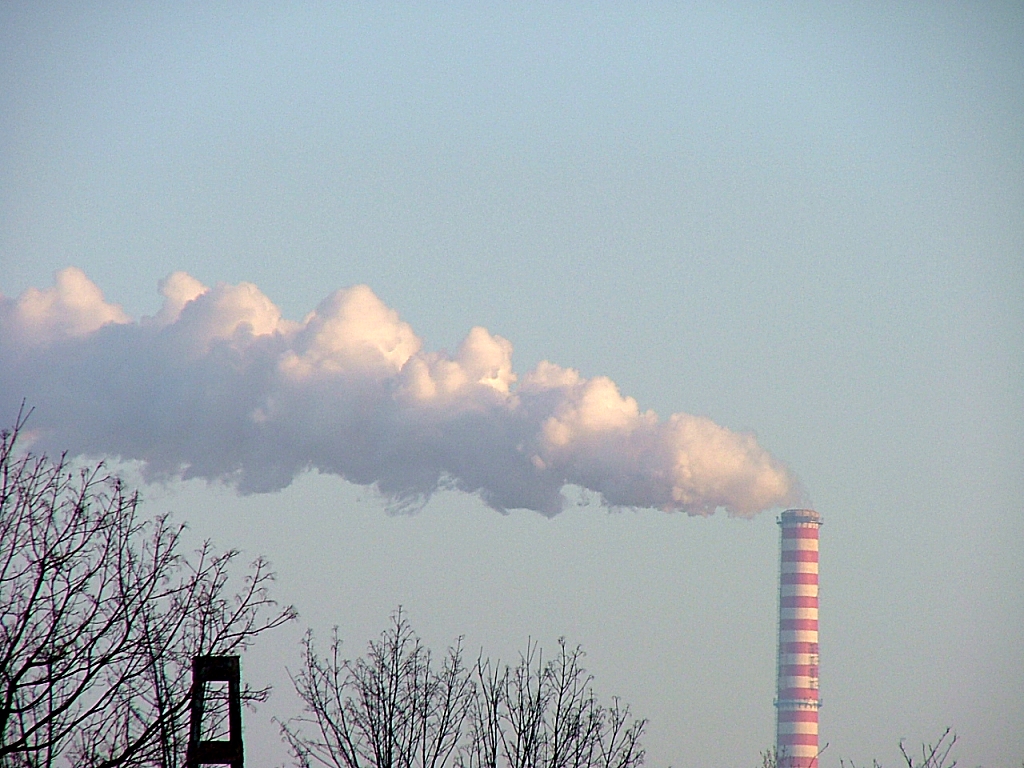
Clean Development Mechanism
The CDM mechanism is targeted essentially at developed nations (Annex I countries) that emit a considerable amount GHG gases. By allowing these nations to invest in projects to reduce GHGs they can offset their emissions by allowing reduction elsewhere in the world. Most CDM projects are currently being implemented in developing (non-Annex I) countries because of cheaper costs.
CDM projects are strictly controlled under the Kyoto protocol. Projects must demonstrate how emission reductions will be achieved and must submit to a monitoring program that demonstrates that these reductions are achieved. Additionally the CDM program ensures that there is no double counting of projects through the implementation of a centralized project registry. CDM projects result in carbon reduction credits know as Certified Emissions Reductions or CERs.